
Ohio CompostOhio Compost
Experience the travel through eco-truism and green living
  • Home
  • About
  • Destinations
  • Eco Travel
  • Tips
  • Contact
  • Blog
  • Green Living
green living
March 15, 2017

Four tips for green living

Katie Becker / Green Living / Green, Living, Tips /

By implementing small changes in your life, every individual can contribute to local community and the environment overall. We have forgotten that nature has provided us excellent living conditions and we have done nothing to preserve it. But, there are still some small things you can do to change that and of course, increase awareness to your local community in order to preserve nature.

Buy a high – efficient showerhead

By purchasing this type of showerhead, you can save up to 3.000 gallons of water per year. Considering the money, you will save $50 in energy and 1.000 pounds of carbon dioxide per person. There are particular kinds of showerheads which will help you reduce the consumption of water and still provide you a great feeling while showering.

Recycle water

waterThis is an excellent way to preserve natural resources, and experts predict that in the following years the water will become our priceless resource. In the bathrooms, you can buy individual devices which can help you recycle water. Or you can use more cost – effective way, keep a bucket by the shower and fill it with cold water that comes out of the tap, before the hot water kicks in. You can use this water to water your plants or for cleaning.

Compost

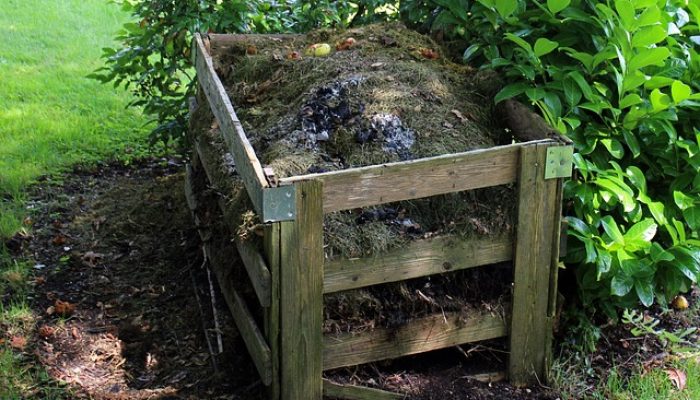
You can buy compost bins to turn your food and leftovers into fertilizer. It will be highly beneficial for your garden and lawn. In this way, you will not only use a renewable source, but you will save a lot of money when buying a compost. This is a noble act, which can be beneficial for your local community in various ways. For instance, you neighbored might follow your example.

Use high – efficient lighting

People spend thousands of dollars on electricity each year, but, by changing the basic set up, that money can stay in your pocket. You can use light bulbs, which will save the electricity and reduce the carbon emission by 25%. For starters, you can change light bulbs in one part of your house and see how that goes and later you can apply that rule to the entire home.


 

silhouette
March 10, 2017

Changes You Can Make to your Lifestyle That Benefit the Environment

Katie Becker / Green Living, Lifestyle, Tips / lifestyle, lifestyle that benefits the environment, lifestyle tips /

My friends sometimes poke fun at me (non blatantly!) with regard to the changes I have elected to make to my lifestyle, that make me and my actions more friendly to the environment.

But when the fun has died down, they will often call me aside, and ask for advice on how they, themselves, can take steps to lessen their carbon footprint, or how to be friendlier to the environment. I guess my passion is infectious enough that it runs off on them a little.

But it is amazing what difference, even tiny changes, can make in the overall scheme of things. We only have one planet folks, there’s no second chance or place to go if we mess this one up!

Here are just a few things you can try to do your little bit.

Cycle More – Or At Least Choose Public Transport:

We could all do with a little more exercise, and cycling is among the best methods of getting this tick marked off your daily “to do” list.

But, if for whatever reason, you don’t want to cycle, at least choose public transport as a way of getting to and fro. This way, you are not firing up the car for smaller journeys that could be taken on public transport.

Get a Kindle:

I know this might seem like a funny one, but if you love to read, imagine all the books you read in a year.

Then imagine the process that book has gone through, to get from the forest of trees to your coffee table. There’s a huge amount of steps that raw material has to get through to become the paperback in front of you.

Kindle (or alternative e-reader) displays virtual characters in front of you, in e-ink, so it’s almost like reading a real book. Plus, a Kindle device is extremely power friendly, only needing to be charged very occasionally.

Reduce Your Food Waste:

This one is easy. Make a shopping list, don’t forget to bring it to the store with you, and stick to it. When cooking dinner, make realistic portions.

I think a lot of us are guilty of making portions that are too big.

It’s amazing to see the difference in portion sizes from the 1950s and 1960s to today. Seriously, our side plates today were dinner plates back in those times!

Make Use of Leftovers:

If you do happen to make too much food for a sitting, use up the leftovers.

You could bring them with you for a handy lunch to reheat in work, or create an entirely new dish – look around online, there are hundreds of sites offering ideas up for what to make with leftover food items.

This is only scratching the surface guys – look out for part 2 of this series, coming up real soon.

light bulb
February 27, 2017

Why Swapping Your Light Bulbs Can Make Serious Savings (And Help The Environment Too)

Katie Becker / Green Living, Tips / helping the enviroment, swapping light bulb tips, Swapping light bulbs /

If you are anything like me, your house is plagued with those horrible GU10 spotlights.

When I bought my house, I thought that the spotlight look in the kitchen areas was fantastic – the area was flooded with light, and the downlights really seemed to make the place look great.

However, I wasn’t long discovering the horrors of GU10 bulbs!

LED is the Best:

Seriously, have you ever tried to change one of these guys? They are absolutely impossible.

I tried just about every method to get these out of their holders set into the ceiling, and the pain would start all over again when it was time to install the new bulb.

And then I discovered that these halogen lights lasted no length at all.

That’s when a friend of mine, who happened to be training as an Electrician, advised me to swap the halogen for LED bulbs – and what a difference it made!

Abundant Savings:

Ok, I don’t know why this happened, but for whatever reason, the GU10 LED bulbs were much easier to install than the old halogen models. Things were looking up already!

My friend also advised me that LED bulbs last longer than the old halogen ones, much longer in fact.So, because they don’t need to be replaced nearly as often, you can accumulate significant savings over time.

And once upon a time, LED bulbs were pretty pricey. These days, they can be obtained for prices that are on a par with their halogen counterparts.

Better Energy Rating:

LED bulbs actually consume far less electricity than those old halogen bulbs.So, you are not only saving money on your bill each month, but you are being helpful to the environment also by swapping them out entirely.

And another thing is, the LED bulbs produce light under much cooler conditions. Those old halogen things literally baked in the ceiling – producing significant heat.

It is for this reason, my friend told me, that they blew so often. They were literally cooking themselves in the ceiling overhead!

Think about it – halogen bulbs are used in certain types of ovens and “air fryers” to cook food, at quicker cooking times than conventional ovens.

Do you really want that going on in your ceiling?

More Control:

LED tech has moved far greater along than halogen ever will. You can choose to have a range of different lighting types, from soft and warm to almost daylight like.

You can choose different colors, should you choose to.

You can even choose to get WiFi enabled bulbs that you can control with your smart device, enabling you to dim lights, turn them on remotely, change their colors and many other fantastic things.

If you are thinking of one simple way to improve your home, that is also environmentally friendly, you couldn’t go far wrong by swapping to LED!

travel responsible
February 16, 2017

Tips for responsible travel and how to experience it

Katie Becker / Tips / Responsible, Tips, Travel /

Responsible travel is all about experiencing the culture and nature of one state and trying to understand it socially, politically and culturally. If you want to become a conscious traveler, you need to impact positively on the local community and to preserve the natural resources. You shouldn’t be selfish and only think about your needs, but, by doing something right, you are giving your contribution to the world.

How can you become a responsible traveler?

This should become your personal choice and not something you have to do. You just need to let go, forget and unwind. By traveling with a conscience, you realize the impact people have on nature and environment. When you visit each country, you should try to act according to nature and its laws. You should experience that adventurous side of you and try to do something different, ways from the commercial world and its rules.

How to research ways to travel consciously?

One of the best ways is to read about the history of the place you are visiting. It will help you determine the limits and discover the potential problems that may happen in the future. You will be able to find out any misconceptions about a certain destination, things you can change and investigate and apply that knowledge to your local community. You need to research where you travel and use that knowledge to improve the environment and natural resources.

How do you accept the local culture?

culture

Over the world, one of the traditional ways of accommodation is home – stays and local guesthouses. This is one of the favorite ways to experience the local culture and get to know the locals. Local people are one of the best sources of knowledge, if you have enough luck to meet them, you will gain a great experience. By buying the domestic products, you will be participating in the local economy. Of course, there are some parts of the world where you can’t just barge in because their culture is strict and people aren’t too friendly. When visiting these places, you need a particular organization and try to find the ways to overcome cultural differences.

How can travel change you?

You will become more self-aware and confident, by meeting different cultures and various people you will broaden your knowledge about them. When you are traveling to other countries, you will have a chance to see how other people live. By experiencing their lifestyle, you can discover the ways they are doing to preserve their environment. The traveling can change you in unimaginable ways; you will start thinking differently and think more about nature. You will see the most beautiful things which people try to destroy each day.


compost
February 5, 2017

How to Make Your Own Compost At Home

Katie Becker / Compost at home, Composting, Green Living / Composting, composting at home, composting tips, how to make your own compost /

It is really easy to get started at home, making your own compost.

What is funny is, a lot of refuse collection companies, all over the world, are now providing those they service with special brown bins, for kitchen items.

They then go on to make their own compost from these scraps, creating their own “black gold”, and profiting off people’s waste, while charging them for the privilege!

Here’s how you can make your very own compost at home. You can use this in potted plants, for growing your own veggies or herbs, or just to help improve your soil quality for your lawns.

Pick a Suitable Container:

If you don’t want to have a dedicated pile, the first thing you will need is a suitable bin for your compost collecting.

This should be rigid, and have a lid included. You will need to drill some holes in the bottom of this container to allow fluids to drain from the vessel also.

In addition to this, it is a good idea to also drill some ventilation holes, either along the top side of the bin, or in the lid of the box itself, as gas will accumulate while the vegetative matter breaks down.

What to Use:

You can use a variety of things from your kitchen and pantry in your compost heap.

So, vegetable peelings, tea bags or leaves, egg shells, leftover vegetables from dinner, all of these things can be used to create your own compost. You can even use grass clippings from your lawn for your compost.

Leaves, wood or bark chips, newspapers (shredded), even sawdust, can all be used to boost your compost.

Things to Avoid:

There are a number of things you will need to be sure not to include in your compost also. Avoid oils, fats, plants that are diseased, dairy products and meat.

Under no circumstances should dog or cat feces be used either, as these kinds of things will destroy the micro organisms doing the good work invisibly in your compost.

While sawdust and chippings from wood are good, pressure treated wood shavings etc should not be used.

Things to do:

Once a week, rotate the contents of the pile. You can use a garden fork for this task.

This provides essential oxygen to your compost, and prevents the centre of the pile from heating up (by the action of the micro organisms).

You should also keep the pile slightly wet, (think damp sponge), this will promote composting over the pile just rotting away.

Avoid soaking the pile, as to do so will water log those preciously vital micro organisms, if not kill them outright.

The process is slow, but ultimately, well worth it. You will know exactly what is in the compost you are using, as you have made it yourself.

All from material that otherwise would have been thrown out in the refuse. And you save money, as you no longer need to purchase compost from garden centres!

eco travel
January 1, 2017

Seven spectacular destinations for eco – travel

Katie Becker / Destinations, Eco Travel / Destinations, Eco, Travel /

For people who accept this lifestyle, eco – traveling means to visit remote and undisturbed places in order to learn about nature and different cultures. This beautiful world has given us endless possibilities to enjoy in it, but in the last 100 years, we started to neglect its needs and slowly destroying it. If you are passionate about the travel and you want to preserve the environment and natural resources, we have seven breathtaking destinations, that will blow your mind.

Bonito

Bonito is a remote town in western Brazil, also known by the name Caribe do Centro – Oeste, which means the Caribbean of the Central – West. The blue rivers which limestone beds behave as a natural water filters are a remarkable eyesight. The town is close to a national park of Serra da Bodoquena which ensures the protection of the entire ecosystem. You can find here the most diverse herbal system and some of the oldest plants in the world. The eco – tourism is just starting to develop here, have an opportunity to stay in exclusive resorts and local towns.

New Zealand

Based on many eco – travel lists, New Zealand is one of the most pristine countries in the world. I can personally vouch for that because I have visited it twice so far. You can hardly experience its beauties if you visit this country only once. New Zealand has a various terrain and its home to some of the unique plants and animals which inhabitant this part of the world. This country is an attractive destination for luxury eco – tourism, by offering you comprehensive tours and high-end accommodation, which doesn’t endanger the environment.

Røros

If you are a fan of Arctic beauty and cold winter, then this Norwegian town is a perfect destination for you. In the 1980 Røros became a part of UNESCO with its cultural and historical heritage. Scandinavian countries are famous for the preservation of the environment and Røros is no exception. Visitors have an opportunity to experience the local food, see wild animals and try their famous cheese. Traditional activities are ferry ride and dog sledding, which have the goal to promote eco – tourism. Alaskan Husky Tour was one of their first tourist attractions.

Cape Town

This is a popular destination for many people who would like to experience eco – traveling. The combination of natural beauty and captivating culture makes this place unique and remarkable. Considering that this is one of the largest cities in South Africa, it has easy access to the beach, forests, and mountains. Many restaurants will serve you a local food, and you can experience very reliable public transportation. Carbon – Neutral cabs make a great contribution to local community and nature preservation.


1 2

Search

Follow Me

  • rss
  • pinterest
  • tumblr

Recent Posts

  • Sustainable Refrigeration & Cooling Solutions
  • Restore & Renew Clothing Vs Buying New!
  • Natural Methods for Mosquito Control
  • Composting Toilet Vs Self Contained Toilet
  • Sustainable Non-Synthetic Fibers

Latest Pins!

Categories

  • Compost at home
  • Composting
  • Destinations
  • Eco Travel
  • Green Living
  • Lifestyle
  • Tips
  • Uncategorized

Our Friends

Tags

Composting composting at home composting tips Destinations Eco Green helping the enviroment how to make your own compost lifestyle lifestyle that benefits the environment lifestyle tips Living Responsible Swapping light bulbs swapping light bulb tips Tips Travel
Sorry, we're having trouble loading this Tumblr.

Europe Road Trip

Categories

  • Compost at home
  • Composting
  • Destinations
  • Eco Travel
  • Green Living
  • Lifestyle
  • Tips
  • Uncategorized

Tags

Composting composting at home composting tips Destinations Eco Green helping the enviroment how to make your own compost lifestyle lifestyle that benefits the environment lifestyle tips Living Responsible Swapping light bulbs swapping light bulb tips Tips Travel

Recent Posts

  • Sustainable Refrigeration & Cooling Solutions
  • Restore & Renew Clothing Vs Buying New!
  • Natural Methods for Mosquito Control
  • Composting Toilet Vs Self Contained Toilet
  • Sustainable Non-Synthetic Fibers

↑

  • SiteMap
  • Privacy
  • Blog
  • Contact
© Ohio Compost 2025