
Sustainable Refrigeration & Cooling Solutions
Sustainable refrigeration solutions are increasingly important in reducing environmental impact and improving energy efficiency. One effective approach is the use of roto-molded coolers, which are designed to offer superior insulation, reducing the need for frequent cooling cycles. These coolers, like those reviewed on the Coolers On Sale Website are made through a rotational molding process that creates durable, energy-efficient containers capable of maintaining cold temperatures for extended periods. This minimizes energy consumption and prolongs the freshness of perishable goods, making them ideal for outdoor activities, emergency preparedness, or off-grid living.
Refrigeration & Portable Solutions
 In addition to roto-molded coolers, high-efficiency refrigerators are another key element in sustainable refrigeration. These refrigerators utilize advanced technologies such as variable-speed compressors, energy-efficient insulation, and smart temperature controls to reduce electricity use while maintaining optimal cooling performance. Many modern models also incorporate eco-friendly refrigerants that have a lower global warming potential (GWP) compared to traditional hydrofluorocarbons (HFCs). When combined, these innovations contribute to a more sustainable approach to refrigeration, lowering carbon footprints and reducing waste while ensuring that food and beverages are kept fresh with minimal environmental impact.

Off-Grid Cooling Options To Consider
Sustainable cooling options for off-grid living are essential for minimizing energy consumption while maintaining comfort and preserving resources. One of the most effective strategies is the use of passive cooling techniques, which rely on natural processes to regulate temperature. These can include architectural designs that maximize airflow, such as strategically placed windows, skylights, and ventilation shafts, or the use of thermal mass—materials that absorb heat during the day and release it at night—to stabilize indoor temperatures. In combination with shading strategies, like planting trees or using retractable awnings, passive cooling can significantly reduce the need for mechanical cooling.
 For more active cooling solutions, solar-powered systems offer a sustainable option for off-grid cooling. Solar refrigerators, fans, and air conditioning units can be powered by photovoltaic (PV) solar panels, which provide a reliable and renewable energy source. These systems are designed to be energy-efficient, using advanced technologies like variable-speed compressors or evaporative cooling systems, which use less electricity than traditional systems. Additionally, thermoelectric coolers, which use the Peltier effect to transfer heat between two different materials, can be a low-energy alternative for small-scale cooling needs.
Roto-molded coolers also provide an off-grid solution for keeping food and beverages cool without relying on electricity. These coolers are highly insulated, making them effective for maintaining low temperatures for extended periods without frequent need for ice or refrigeration. Together, these sustainable cooling solutions allow for comfortable living off the grid, reducing environmental impact while providing reliable and energy-efficient cooling options.
Eco-friendly Energy Saving
Eco-friendly energy-saving tips for homesteads focus on reducing energy consumption while promoting sustainability and self-sufficiency. One of the most effective strategies is improving energy efficiency through better insulation and airtightness in the home. Sealing gaps around windows, doors, and walls, and using high-quality insulation materials can significantly reduce the need for heating and cooling, which are major energy expenditures. Additionally, installing energy-efficient appliances such as LED lighting, low-flow faucets, and Energy Star-rated refrigerators and washing machines can further lower electricity and water usage.
Another key approach is harnessing renewable energy sources like solar and wind power. Installing solar panels or small wind turbines on the homestead can provide a reliable, renewable energy supply, reducing dependence on fossil fuels and lowering electricity bills. Solar water heaters and solar ovens can also be used for heating water and cooking, minimizing the need for traditional electricity or gas-based systems.
Rainwater & Solar
Rainwater harvesting and water conservation techniques are also important for reducing energy use, as heating water can be one of the most energy-intensive tasks in a home. By collecting and storing rainwater, homesteaders can minimize the need for electric water pumps and reduce water consumption. Furthermore, planting native or drought-tolerant plants around the homestead can lower water usage and reduce the energy needed for irrigation.
 Lastly, investing in energy-efficient heating and cooling systems, such as wood stoves, passive solar heating, or geothermal systems, can further enhance sustainability. These alternatives are less reliant on grid energy and can help maintain a comfortable living environment while reducing carbon footprints. By incorporating a combination of these eco-friendly practices, homesteads can significantly reduce their environmental impact and create a more sustainable, energy-efficient lifestyle.
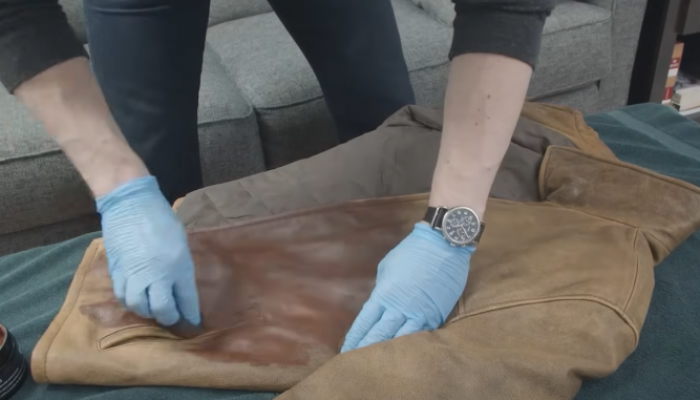
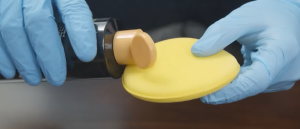 Restoring and renewing clothing, particularly items made from materials like leather, can help extend their lifespan and maintain their appearance. The first step in restoring any piece is thorough cleaning. For leather garments, use a soft cloth or sponge and a gentle leather cleaner or a mixture of mild soap and water to remove dirt and grime. Always test the cleaner on an inconspicuous area before applying it to the entire piece. After cleaning, allow the leather to air dry naturally—avoid using direct heat sources like hair dryers, as they can cause the material to dry out or crack.
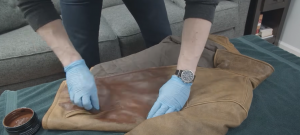 Once cleaned, moisturizing and conditioning the leather is essential. Leather tends to lose its natural oils over time, leading to stiffness and cracks. Apply a leather conditioner or cream designed to replenish moisture, working it into the material with a soft cloth in circular motions. This helps to restore the suppleness and luster of the leather. For clothing made from fabric, consider using a fabric softener or specific conditioner designed for the material.


 If you are not worried about a little chemical being used, you can use very small amounts to help. We
  Mosquitoes serve very little purpose except to bite us. At times, their larvae and the adults may be used as food for some animals, but overall, if we lived in a world without them, we would all simply be happier. However, because they are a natural part of the world we live in, extermination of them will not come easily. If you live in an area where you are the only one who works to eliminate them, you will still have some that find their way to your home. This means, in a neighborhood where everyone has a compost pile and only one person trying to control the mosquitoes; that person will always be trying to get rid of them. In similar neighborhood where everyone works together to regain control of these pests, everyone will begin to notice fewer of them.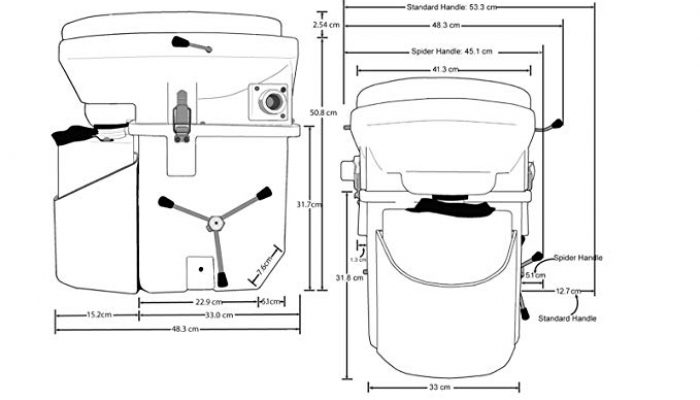

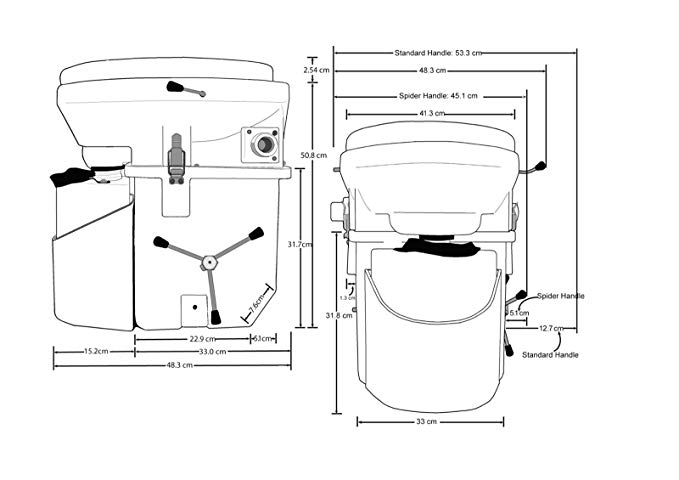 A composting toilet is a toilet that turns your poo into something that can be used as fertilizer for your garden if you want it to. It is safe, sanitary, and sustainable. You do not need to hook up to a septic tank or a water line and a lot of them can work without electricity. Your toilet will have a ventilation system to ensure that you never have to worry about a visitor stopping by and smelling your bathroom. All that is required of you is that you use natural microbes to keep it sanitary and cut down on the smell of what you leave behind.
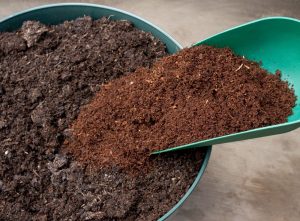 Considering most American households use 74 gallons of water a day, with more than a third of that being toilet water, how much water do you think you would save? Research shows that on average 6,600 gallons of water will be saved for more important things than a toilet flush if you switch to a composting toilet. How is that for a greener existence? Water preservation and free fertilizer in one.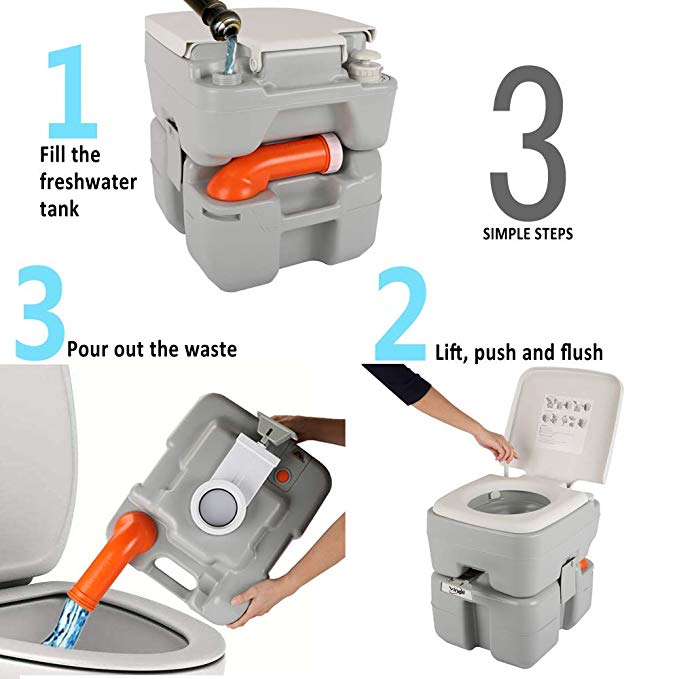
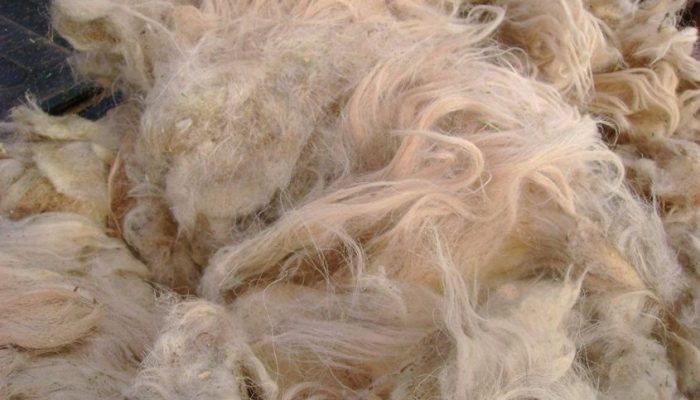

 We all know that trash is overflowing in our landfills. Plastics never completely go away. Instead, they end up being washed out of the landfill and into our oceans. This can destroy our oceans. Not to mention, plastic is also very dirty to create, which also does not help our air quality. If you look at your favorite outfit with its bright colors and beautiful design, you may think it is perfect, but if you look deeper you will find that it is also bad for the environment. A lot of our clothing is made with toxic chemicals thanks to the dye that is used to create them. It is the second largest polluter of water on a global level. Simply take a look at polyester.